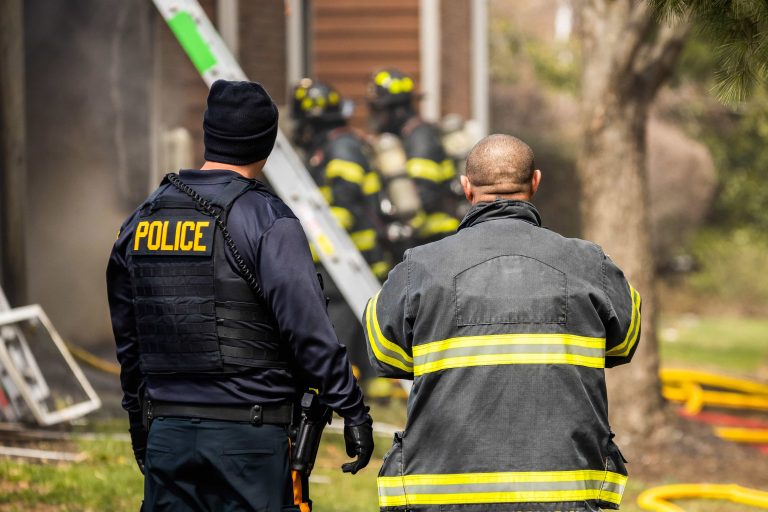
Understanding Your Requirements as an Employer
are legally responsible for protecting the health, safety, and wellbeing of workers. This includes:
- Protecting workers from harm
- Identifying and reducing workplace hazards
- Providing thoughtful accommodation strategies for injured and ill workers
- Following relevant legislation
- Ensuring timely access to support and resources
The laws below outline employer responsibilities.
Occupational Health and Safety Act (OHSA)
- Ensure workers follow safety regulations, use protective equipment, and are informed of hazards, including stress, trauma, or violence.
- Take all reasonable precautions to protect the health and safety of workers.
Ontario Human Rights Code (OHRC)
Accommodate workers with mental health-related disabilities unless it causes .
Workplace Safety and Insurance Act (WSIA)
Workers may be entitled to benefits for work-related mental stress injuries or illnesses, including for first responders.
Accessibility for Ontarians with Disabilities Act (AODA)
Ensure workplaces, policies, and practices are accessible and inclusive.
Personal Health Information Protection Act (PHIPA)
Protect and handle workers’ personal health information appropriately.

Not meeting these legal obligations can lead to:
- Legal or regulatory action under the OHSA for unsafe workplaces
- Human rights or AODA-related consequences if mental health needs are not properly accommodated
Supporting Return to Work
isn’t just about being back on the job — it’s also about restoring purpose, identity, and overall wellbeing. As a leader, you play a key role in creating the conditions for a safe, supportive, and successful return.
What Are SAW and RTW?
and Return-to-work (RTW) are structured processes that help workers’ recover while staying connected to work:
Return-to-Work (RTW)
Happens after an absence due to illness or injury.
Stay-at-Work (SAW)
Helps workers continue working during recovery, preventing absences.
Both processes involve many moving parts:
When these pieces work together early, recovery is smoother, less stressful, and workers feel supported.
A Supervisor’s Role in SAW and RTW
Supervisors play a central role in supporting workers’ recovery and safe return to the job.
Key responsibilities include:
Early contact helps reduce work disability and speeds recovery, however employers are only entitled to contact injured and ill workers when they are on leave if it is reasonably required. Contacting a worker who is on leave could be perceived as supportive or harmful. For example, repeatedly pressuring a worker to return to work before they are ready may constitute harassment.
Before contacting a worker who is on leave, the Ontario Human Rights Commission suggests asking the following questions:
- What is the nature and length of the disability leave?
- What level of contact has the worker asked for?
- How much time has passed since the last contact?
- What is the reason for the contact?
- Is more information really needed or has enough information already been provided?
- How would a reasonable person view a further contact in light of the information above?
When communicating with workers:
- Maintain open, supportive, and inclusive language when communicating throughout the recovery process
- Do not ask about personal health information (e.g. diagnosis).
- Identify safe, meaningful work that matches the worker’s abilities.
- Keep modified work as close as possible to the pre-injury role and pay.
- Observe how the worker adjusts to modified duties.
- Address concerns or barriers promptly with the RTW team.
- Work with internal and external partners, including healthcare providers, WSIB, and RTW specialists.
- Implement accommodations or job modifications as recommended.
- Know which mental health and recovery supports are available.
- Communicate these supports to the worker to build trust and confidence.
- Use internal or external supports (e.g., ergonomic adjustments, WSIB services) to facilitate a faster, safer return.
- Promote a respectful, inclusive, and workplace.
- Encourage coworkers and team members to support the returning worker.
Other Factors That Affect Return-to-Work
Successful SAW/RTW also depends on:
- Confidence in the RTW process for everyone involved
- Clear, respectful communication and simple processes
- Shared understanding of expectations and responsibilities
- Making modified work practical and feasible
- Active and supportive involvement of supervisors in RTW planning
- Collaboration with rehabilitation, occupational health, and mental health professionals
Navigating WSIB: Mental Stress Injury Program
The Mental Stress Injury Program (MSIP) manages claims for psychological injuries caused by work-related stress.
Supports include:
- Psychological assessments and treatment
- Prescription medications
- Wage replacement
- Return-to-work services