
Measurement helps organizations gain insight to inform future actions and continuous improvement. This section explains what to measure, how to use together, and how to build measurement into existing workplace systems.
Considerations for Continuous Improvement:
Why Measure?
A PHS program is not static: operational demands, staffing, risks, priorities, and personnel needs change over time. Measurement provides the feedback needed to adapt and maintain relevance, and supports due diligence by demonstrating that risks are being identified, monitored, and addressed.
Measurement turns information into action by helping organizations understand progress, identify gaps, and drive continuous improvement.
What to Measure
A comprehensive measurement approach uses leading and lagging indicators and both and information. Looking at both together shows whether key parts of the system are being implemented and whether they are contributing to healthier conditions over time.
Examples include:
Leading Indicators (early signs the system is working)
- Supervisor check-ins, debriefs, and supportive follow-up
- Focus groups, worker engagement, and feedback opportunities
- Progress on action items and use of supportive or health-promotion services
Lagging Indicators (outcomes that have occured)
- Absenteeism and disability-related trends
- Incident reports, investigation findings, and recurring themes
- Staff turnover and attrition
How to Measure
Measurement should be built into existing workplace processes and supported through shared responsibility across all levels of the organization:
- Regularly track and review indicators with committee or working groups
- Incorporate workplace into inspections and incident
- Use surveys, or to understand worker experience
- Draw on administrative data that is already collected
Using Plan-Do-Check-Act
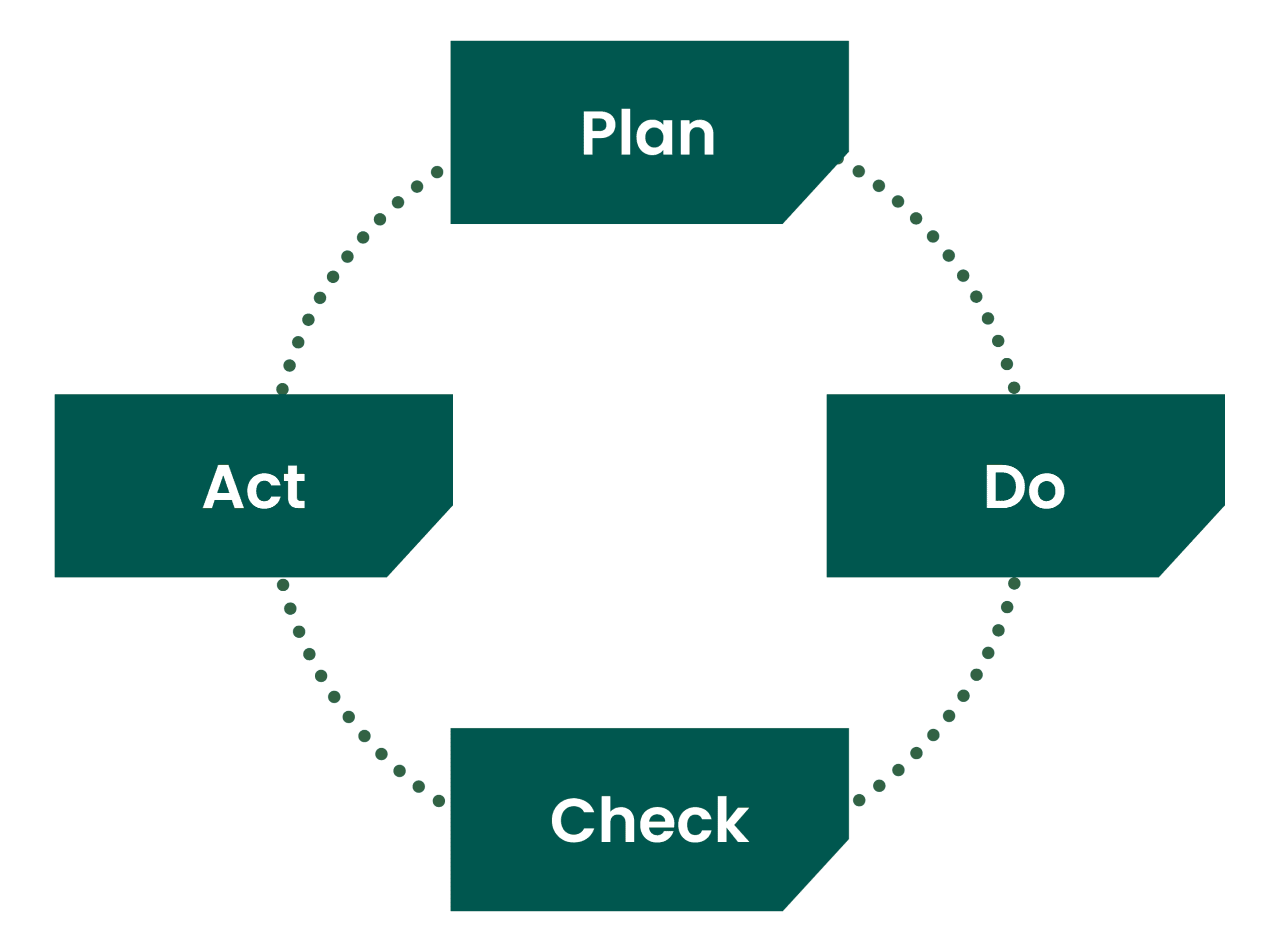
- Identify priorities by reviewing context, current risks, and the elements you want to strengthen.
- Determine your maturity stage for each selected element, then set realistic goals for each.
- Choose indicators, including a mix of leading and lagging, quantitative and qualitative measures.
- Assign roles and responsibilities for collecting, reviewing, and acting on information.
- Integrate measurement activities with existing workplace systems and processes.
- Collect data and monitor indicators as planned.
Keep in Mind: Data collected should also include worker experience, stories, dialogue, and reflection.
- Review data and indicators to evaluate progress toward goals.
- Assess whether implementation is occurring as intended and whether measures are providing meaningful information.
- Use findings to identify improvements and address gaps.
- Adjust goals, measures, roles, or processes as needed.
- Continue the cycle by using results
Refine the plan as maturity grows and lessons are learned.
Keep in Mind: Measurement should also include learning from worker experience, stories, dialogue, and reflection. Start small, build a strong foundation, and continuously improve your program over time.
Discover practical tools and resources in the Resource Hub to help you develop, enhance, and maintain your psychological health and safety program and support PSP wellbeing.

Key Improvement Tools

Checklists
PSHSA Psychological Health & Safety Program Checklist – Online Tool for Employers
Online checklist to help employers implement psychological safety programming.

Tip Sheets
Understanding Workplace Psychosocial Factors
Tip sheet providing guidance and information on foundational workplace psychosocial factors.

Toolkits
Organizational Policy Toolkit
Resources to support the development, review, and implementation of workplace policies.

Interactive Tools
Radius: Assess Job-based Risk of Psychological Harm
Digital tool assessing job-based risks of psychological harm.